The newest bird
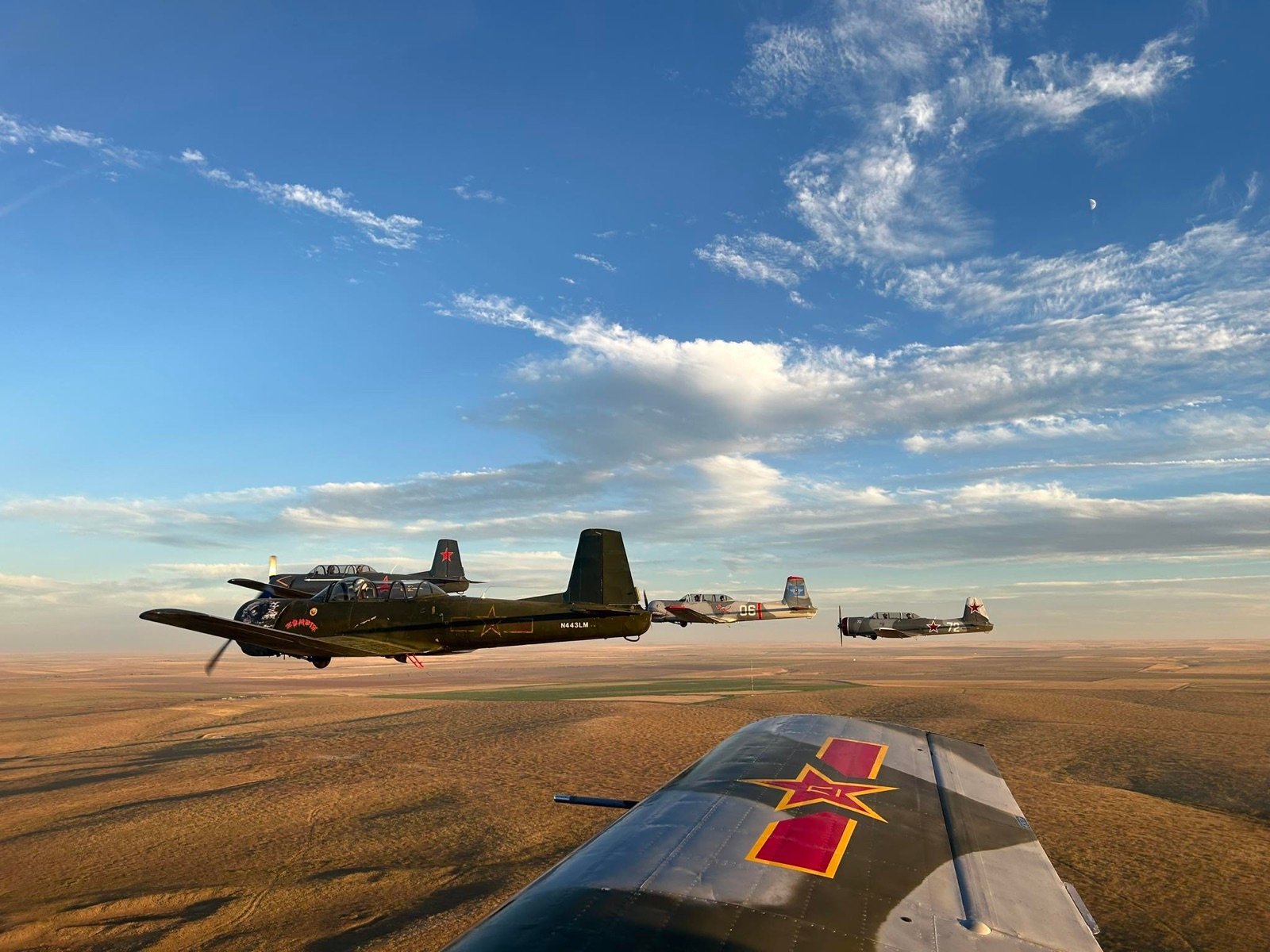
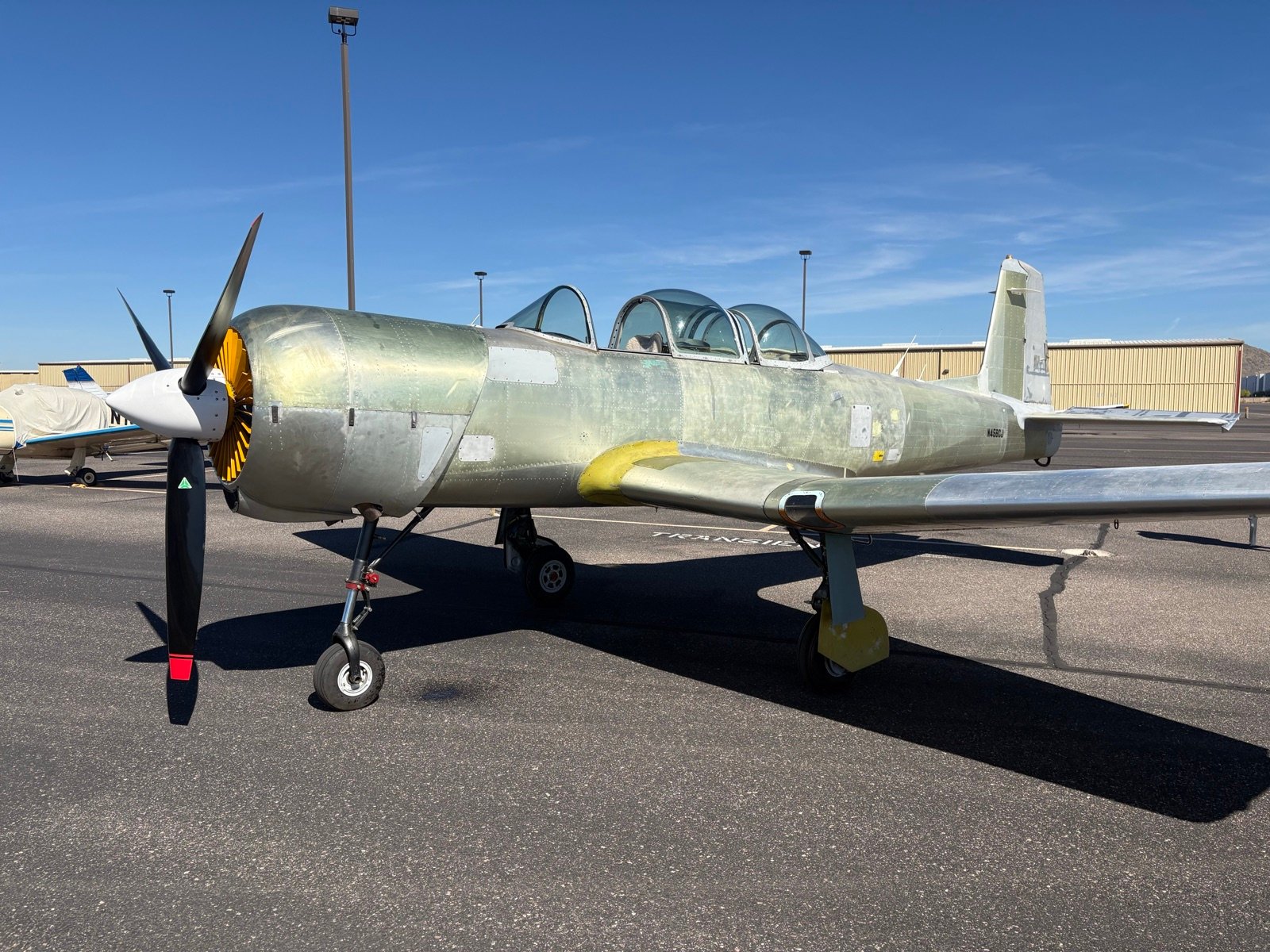
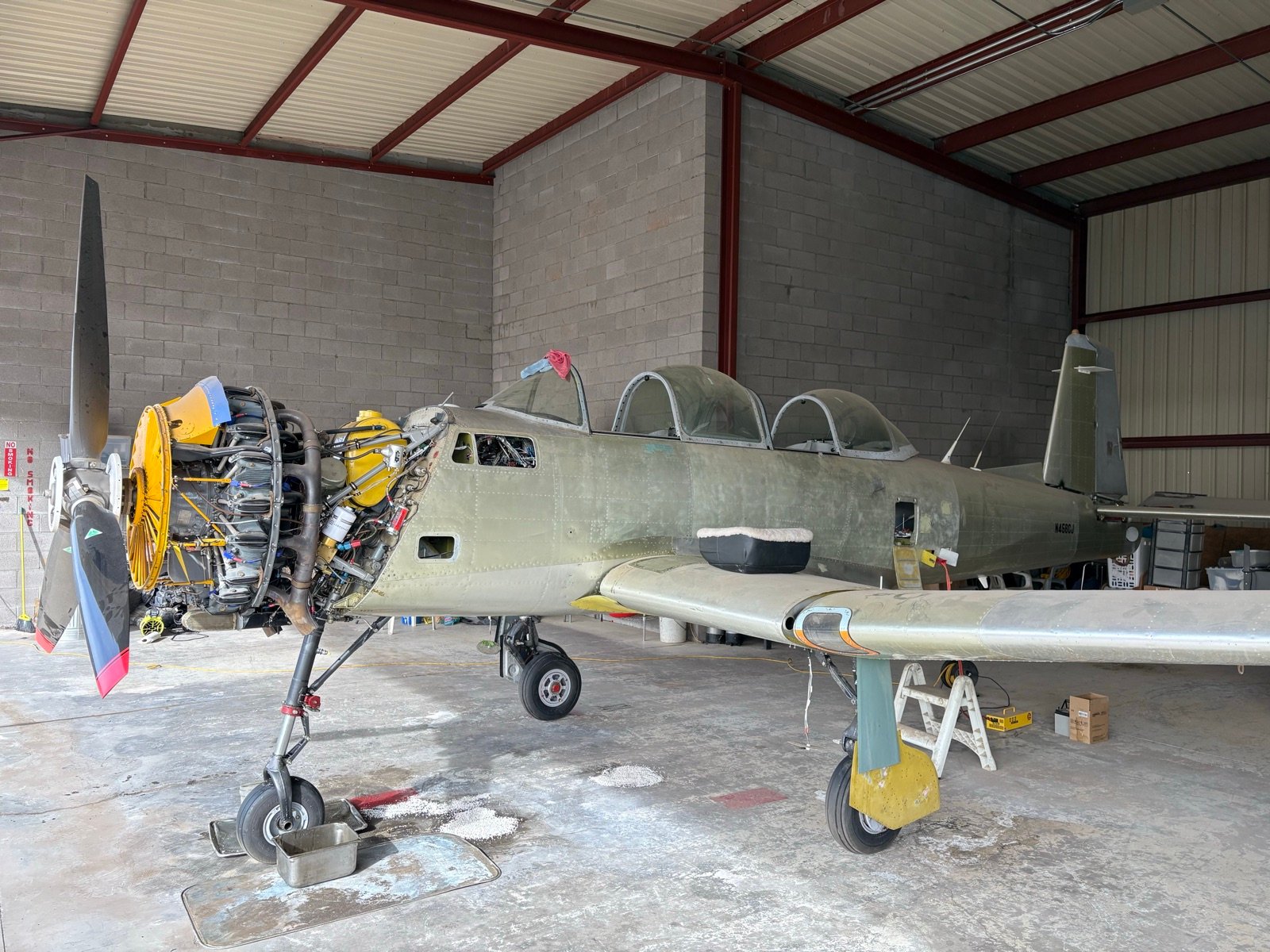
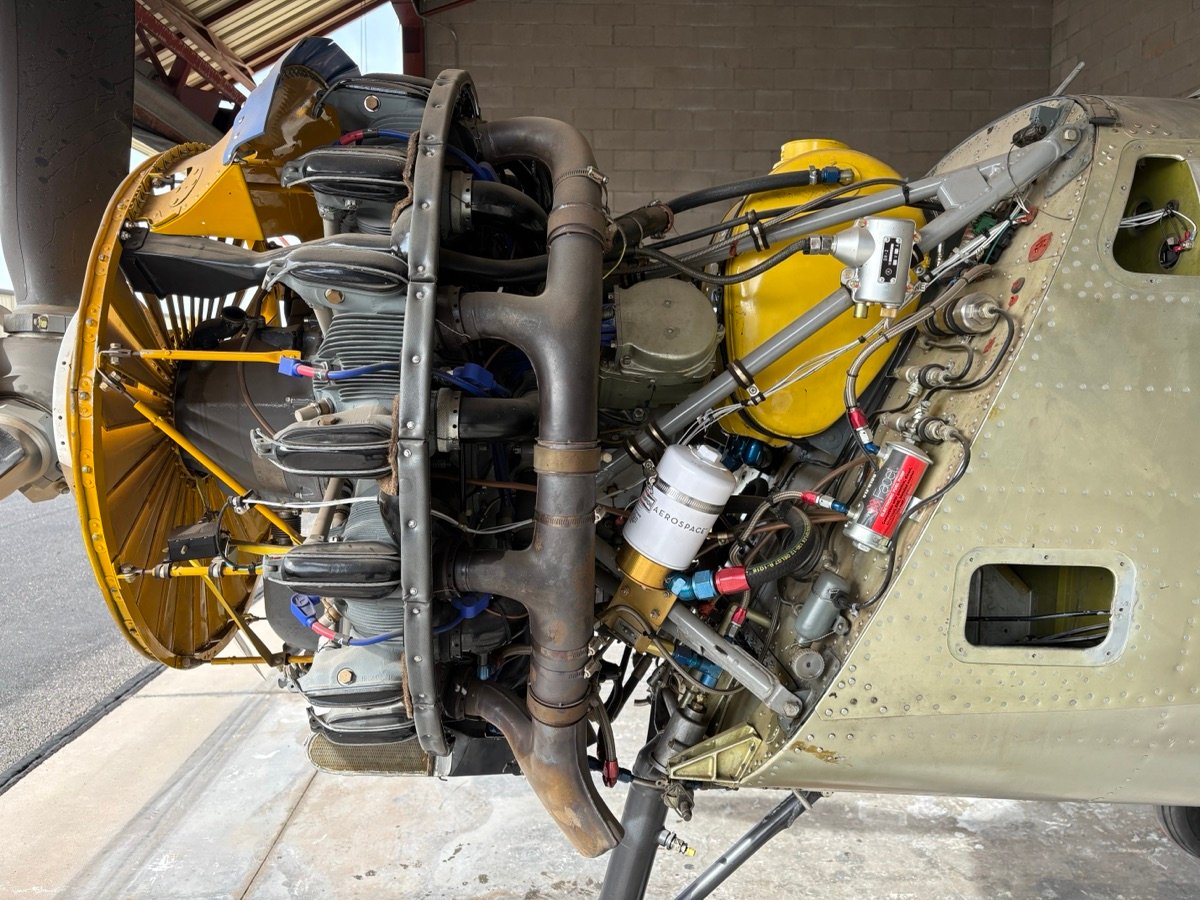
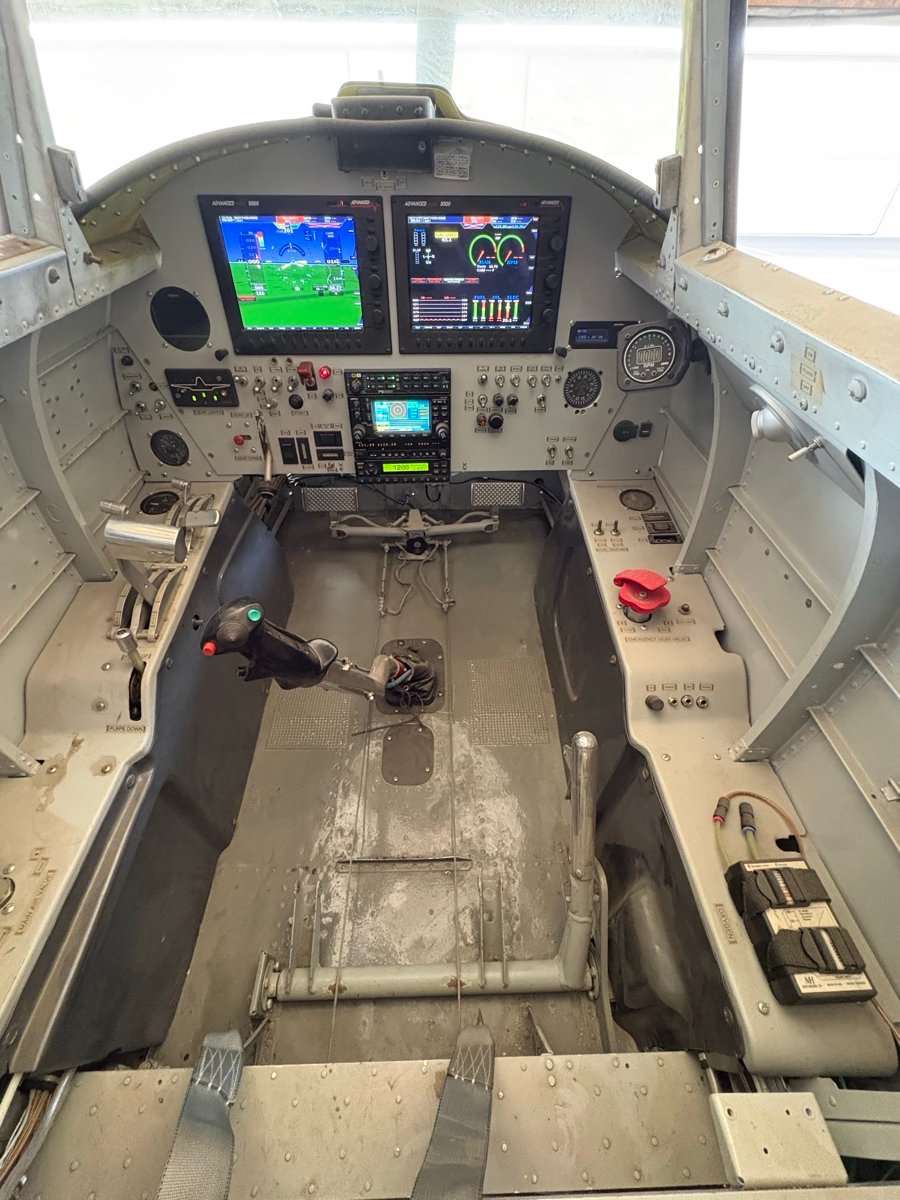
The latest addition is a second Nanchang CJ-6, N456CJ — and she's already flying. I took her up over Scottsdale as -2 just a couple of weeks ago. She's still in bare aluminum and wants some cosmetic TLC, but she's airworthy and out with the formation.
Airplanes I've owned
In order of ownership — a few trainers, a couple of retracts, two twins, and finally a pair of Chinese warbirds.
- 1987
1959 Cessna 150
My primary trainer in graduate school at the University of Arizona. Bought it for $9,500 and sold it less than a year later for $11,000 — aviation's rare profit.
- 1990
1958 Cessna 172
Long-range tanks made Calgary to Victoria in a single 5.5-hour leg — a lot better than 12 hours of driving and three ferry rides. Learned short fields on an 800-ft, one-way, 5° turf strip with 150-ft firs at one end. Once slid off into the brush on a dewy morning: all pucker, no damage.
- 1992
1972 Piper Warrior
Discovered I prefer low wings — comfortable, and it handled that same one-way Saltspring Island strip just fine. This is the airplane that sold my wife on traveling by private aircraft.
- 1993
1979 Super Decathlon
Time to try aerobatics. Loved inside maneuvers — pulling 6 g for loops was real fun; outside stuff made my eyeballs red. A surprisingly good cross-country plane, with one precautionary landing on a road in ice fog.
- 1994
1965 Mooney M20E
My first retractable — a wonderful go-fast airplane. At 6′3″ I barely fit, but once strapped in I loved the speed and fuel economy. Flew it all through a six-month sabbatical in Tucson.
- 1996
1962 Cessna 210B Specs →
High-performance and complex — a truly great airplane. Bought it nearly run-out and flew it 250 hours past TBO on good oil analyses. After our first child it got too small, so we sold it to a movie stunt company. They flew it into a Utah mountainside with 17 cameras rolling. Sigh — movie of the week.
- 1997
1984 Cessna Turbo 337 Skymaster
Bought a push-pull twin to earn a multi rating without the fear of Vmc. Loved the elevator ride to 12,500′ — set the power and go — but it was loud and tight with a toddler and the dog aboard.
- 1998–2019
1964 Cessna 310I Specs →
Finally, a real twin. Speed, load, range, and space — it simply fit me, and it stayed with me the longest of all. I eventually sold it: we weren't using it for cross-country any more, and I wanted to do more formation flying.
- 2003
1958 Cessna 182A Specs →
Back to the basics of flying — Johnson-bar flaps, a smooth engine, quick, light, nimble, and a lot of fun. For a while I had two planes at once; sold it when my partner got the itch for more speed.
- 2006
1971 Cessna Turbo 210 Specs →
Two fast, gas-guzzling planes at the same time — completely nuts. Cap and I bought it sight unseen and poured a firewall-forward overhaul, new prop, and new interior into it. Sold it when my partner wanted out.
- 2012
1976 Nanchang CJ-6A — N443LM Current
Bought as a bare project and assembled it over several years — finished it around 2018, flew it, and earned my Formation Card. Started life as N666CJ; now N443LM, call sign “Zombie.”
- Now
Nanchang CJ-6 — N456CJ Current · flying
A second Nanchang — already flying (I took her over Scottsdale as -2 recently), still in bare aluminum and getting some TLC. Because apparently one warbird is never quite enough. See more →
Building the hangar
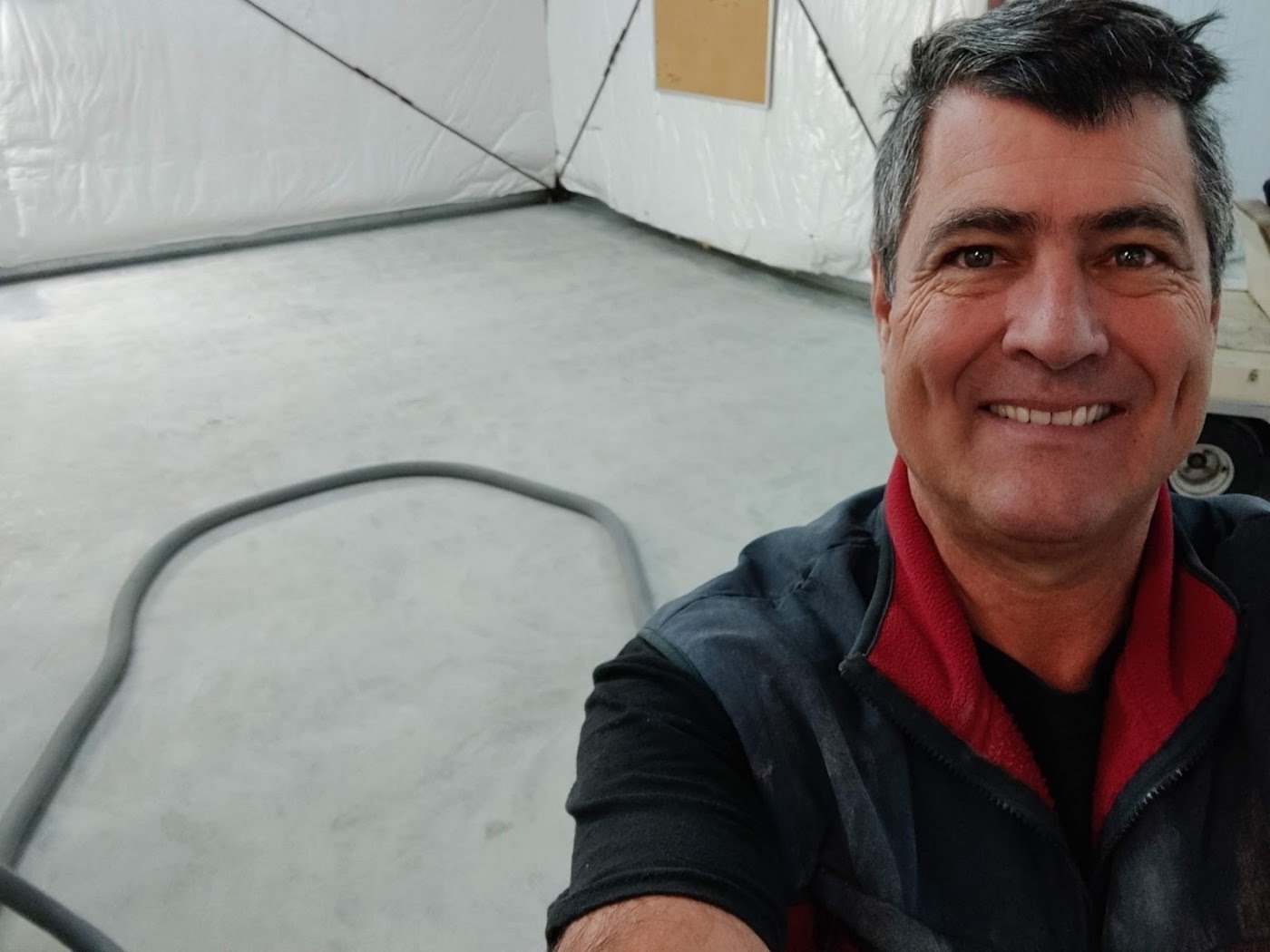
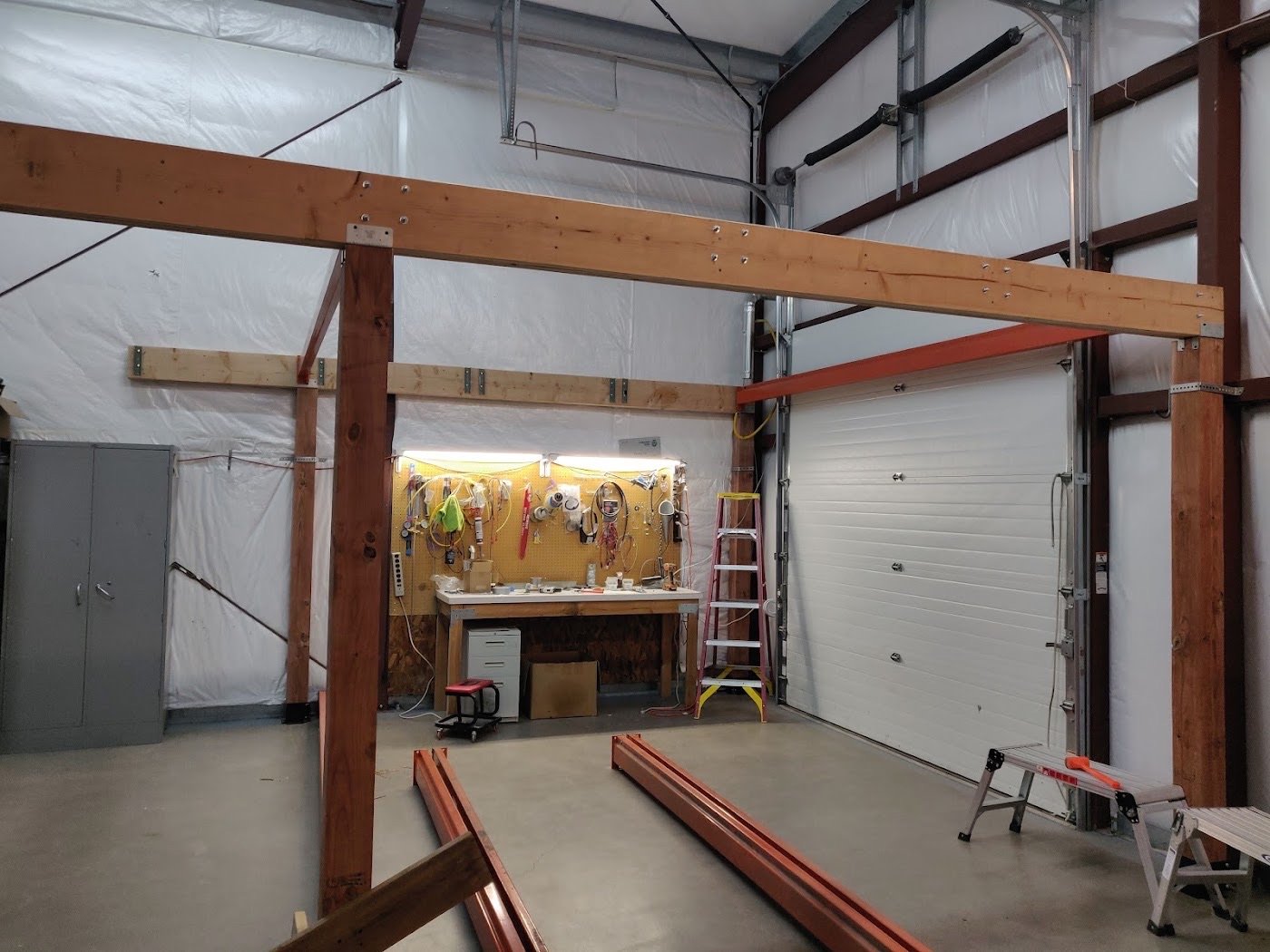
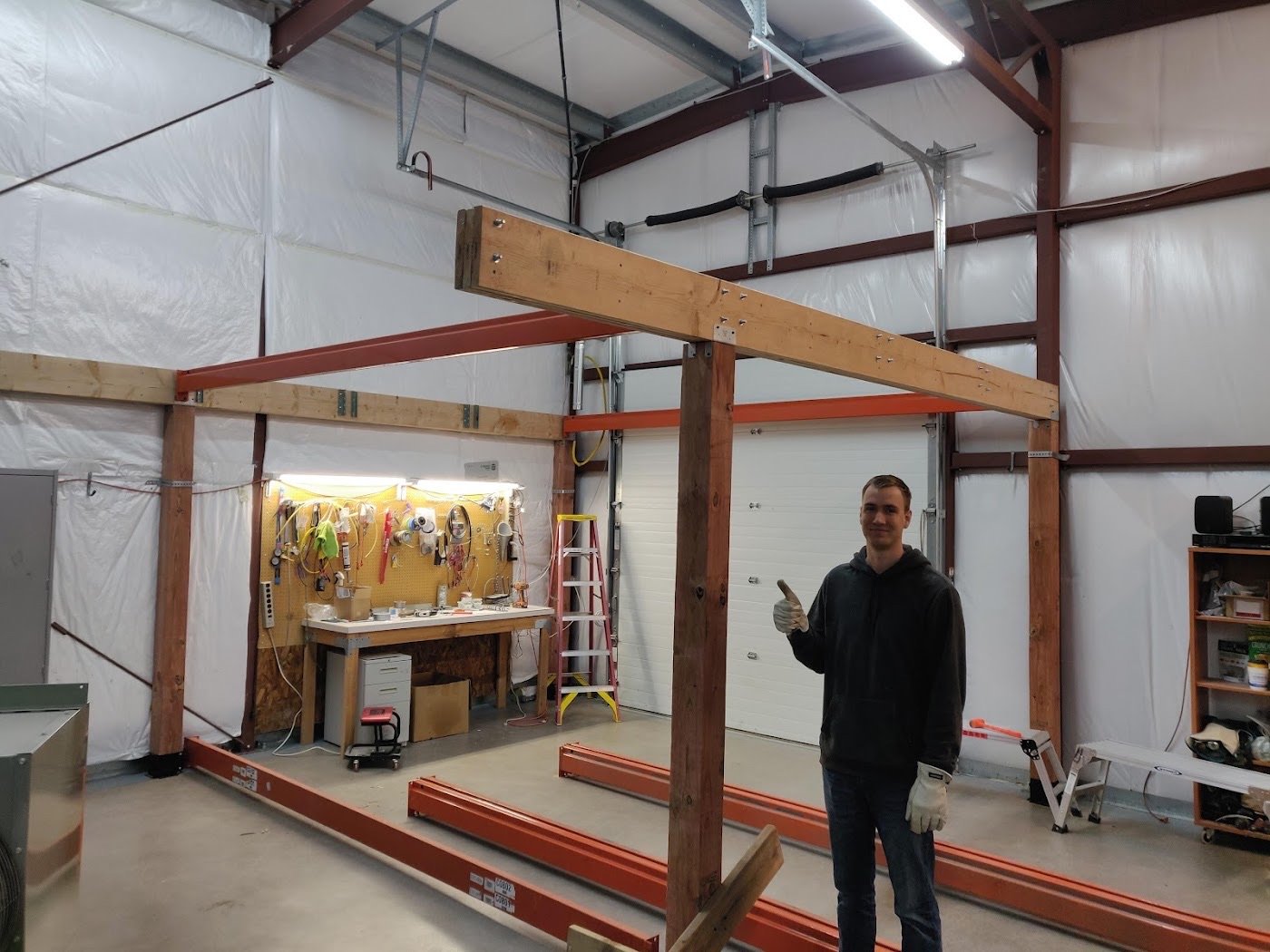
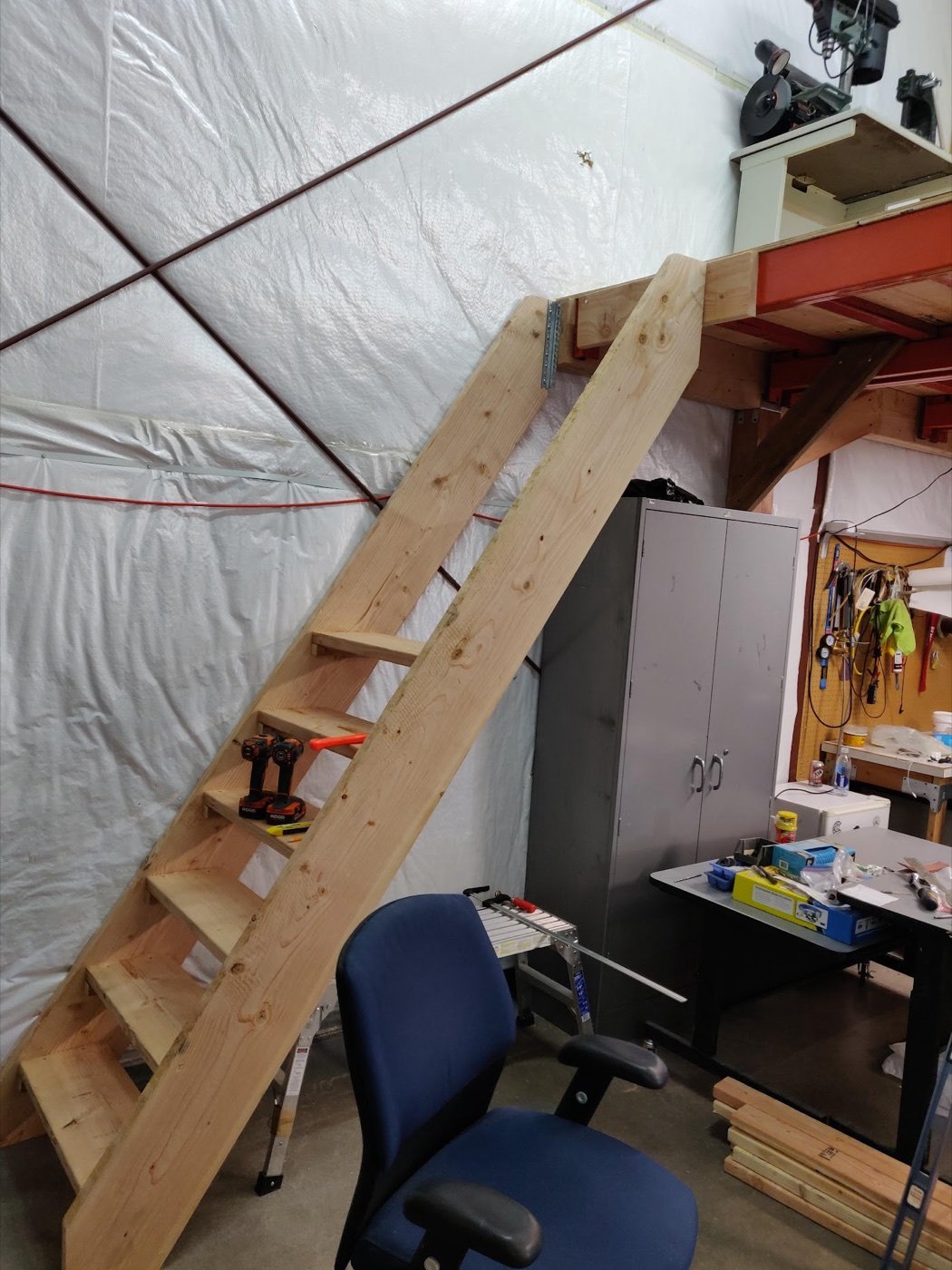
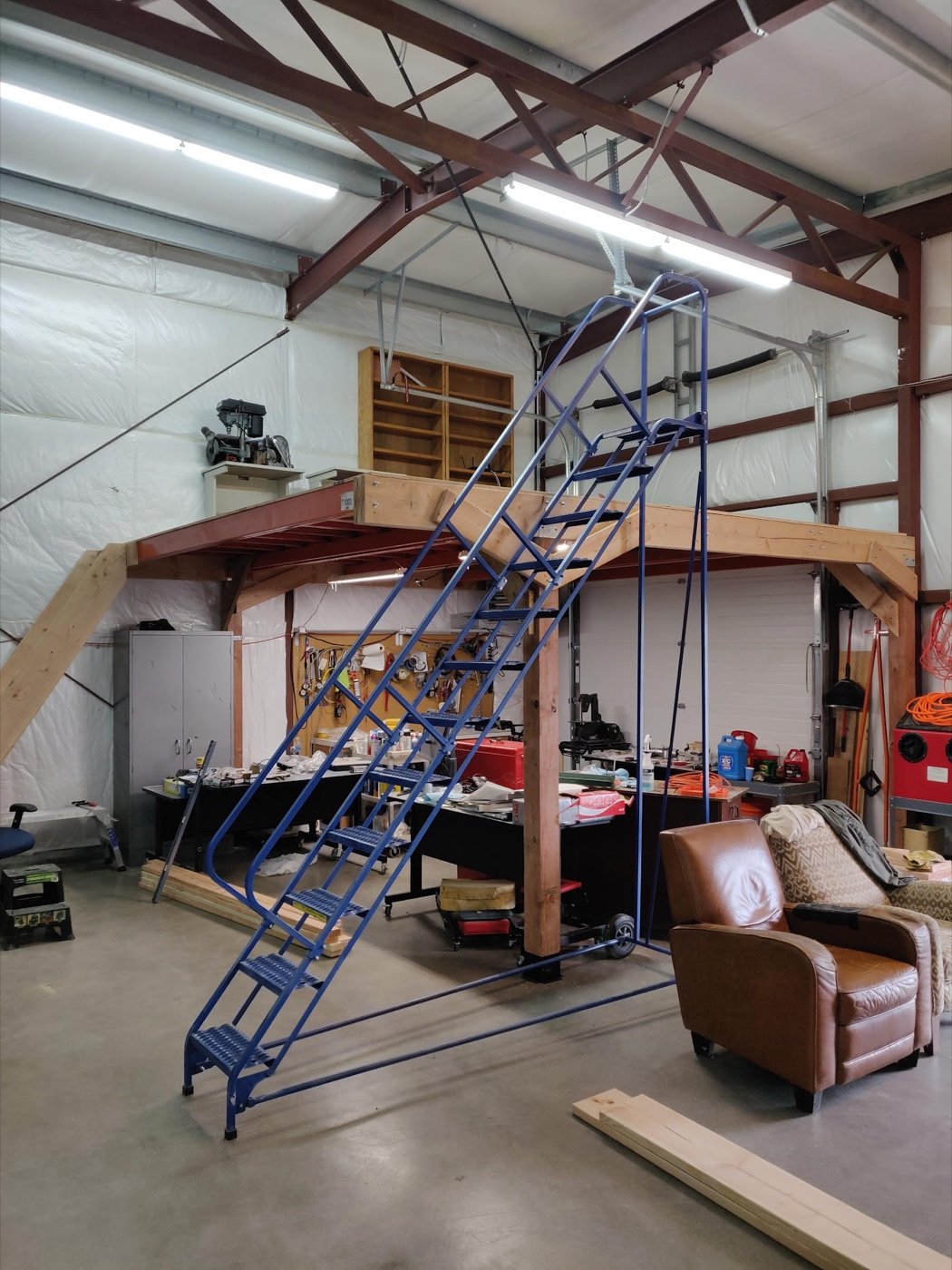
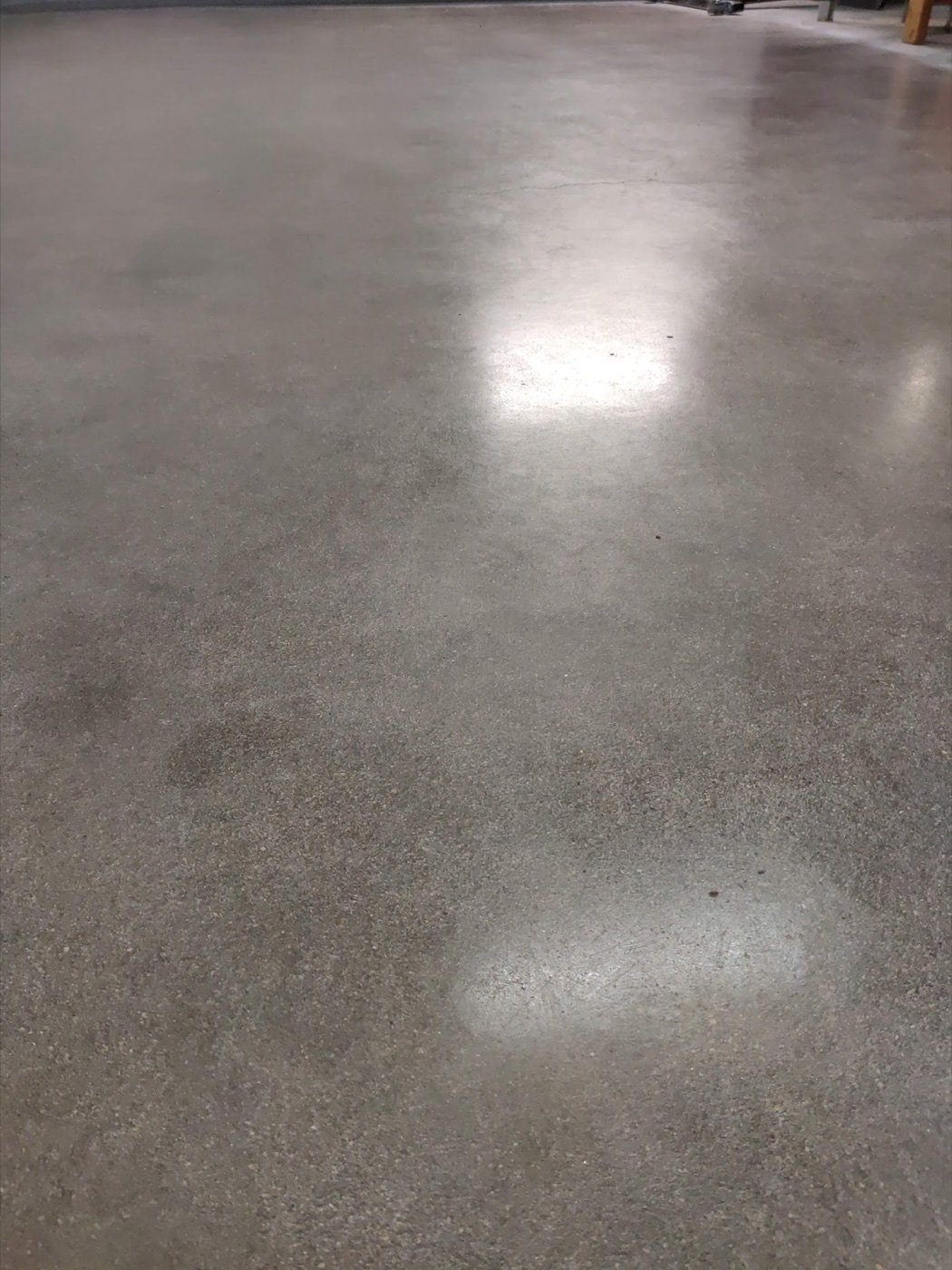
Owning airplanes means building somewhere to keep them. Here's my hangar coming together — pallet racking used to frame a mezzanine, stairs, a polished concrete floor, and a proper workshop.